Blog
JN Roofing
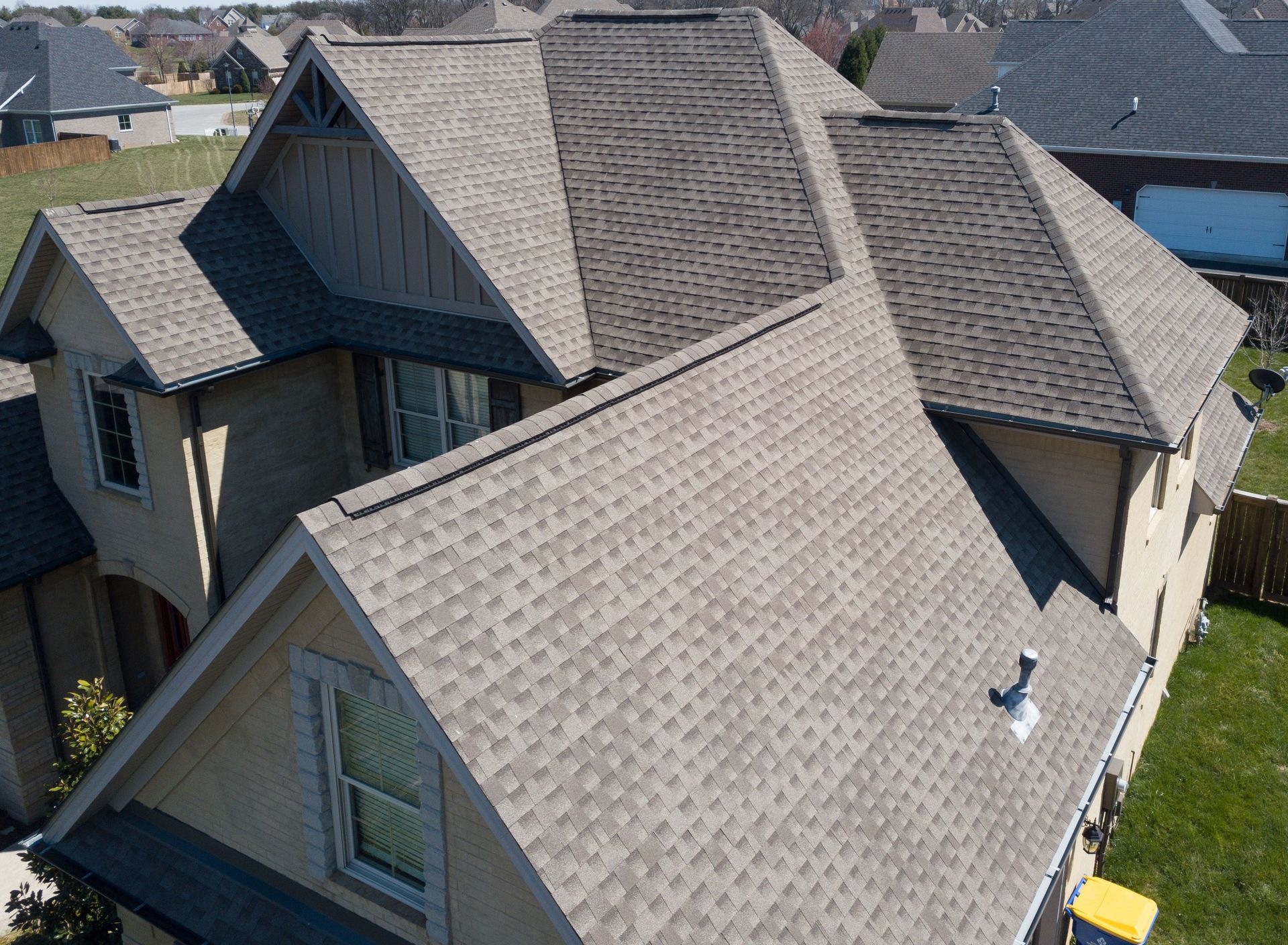
A roof estimate is more than a price tag—it is a roadmap for one of the most important investments a homeowner can make. When done correctly, a roof estimate outlines materials, labor, timelines, and expectations in a way that protects both the homeowner and the contractor. When done poorly, it leaves room for confusion, surprise costs, and compromised workmanship. Understanding what separates a reliable roof estimate from a weak one empowers homeowners to make informed decisions and avoid costly mistakes. By breaking down the most critical components, it becomes easier to identify whether an estimate reflects professionalism, transparency, and long-term value. 1. How a Clear Material Breakdown Prevents Hidden Costs One of the strongest indicators of a good roof estimate is a detailed breakdown of materials. Every component needed for the project should be listed clearly, including shingles, underlayment, flashing, fasteners, ventilation components, and disposal materials. A vague or lump-sum materials section often signals shortcuts or hidden costs. A thorough roof estimate eliminates ambiguity and ensures the homeowner understands exactly what is being installed on their home. Beyond listing materials, quality estimates specify brands, grades, and performance standards. Different roofing products vary significantly in durability, warranty coverage, and weather resistance. When a roof estimate identifies specific manufacturers and product lines, it prevents substitutions that could lower quality without the homeowner’s knowledge. This level of transparency also makes it easier to compare competing estimates fairly, ensuring an apples-to-apples evaluation. Accurate material quantities matter just as much as product selection. A professional roof estimate accounts for roof size, pitch, complexity, and waste factors. Including a reasonable waste allowance ensures the project runs smoothly without delays or emergency material purchases. Homeowners benefit from knowing the estimate reflects real-world conditions rather than optimistic assumptions that could lead to overruns. 2. Why Transparent Labor Pricing Protects Your Investment Labor is often the most misunderstood portion of a roof estimate, yet it plays a major role in overall cost and project quality. A good roof estimate clearly explains how labor costs are calculated, whether by hourly rates, crew pricing, or project-based totals. This clarity allows homeowners to understand what they are paying for and why skilled labor matters. When labor is properly defined, it also sets expectations for workmanship, safety standards, and accountability throughout the project. Clear labor pricing helps prevent disputes and ensures both parties share the same understanding before work begins. Professional estimates also reflect the experience level required for the job. Complex roof designs, steep pitches, or specialty materials demand trained crews who follow safety protocols and manufacturer specifications. When a roof estimate glosses over labor qualifications, it raises concerns about workmanship and long-term performance. Skilled labor may cost more upfront, but it significantly reduces the risk of premature failure and future repairs. Clear labor explanations also help homeowners anticipate timelines. Efficient crews complete work correctly the first time, minimizing disruptions and protecting the home during the process. When labor expectations are spelled out in the roof estimate, homeowners can better plan around the project and avoid frustration caused by delays or unexpected extensions. 3. How Climate-Specific Planning Impacts Roof Performance A reliable roof estimate always reflects local environmental conditions. Roofing materials that perform well in one region may fail prematurely in another due to heat, wind, snow, or moisture exposure. Climate-aware estimates recommend materials designed to handle regional weather challenges, ensuring durability and compliance with local building standards. Ignoring climate considerations can shorten a roof’s lifespan and increase maintenance costs. For example, areas with intense sun exposure require shingles with strong UV resistance, while storm-prone regions may need enhanced wind ratings and reinforced fastening systems. A roof estimate that accounts for these factors demonstrates foresight and technical knowledge rather than a one-size-fits-all approach. Climate considerations can also affect insurance requirements and warranty eligibility. Some policies mandate specific materials or installation methods based on regional risks. A properly prepared roof estimate helps homeowners avoid coverage issues by aligning the project with insurer and manufacturer expectations. This attention to detail protects the homeowner’s investment long after installation is complete. 4. Why Accurate Measurements Define Estimate Accuracy Precise measurements are foundational to any credible roof estimate. Accurate calculations ensure material quantities, labor hours, and costs align with the actual scope of work. Whether measurements are taken manually or with advanced tools such as aerial imaging, accuracy prevents shortages, overages, and pricing discrepancies. It also reduces the risk of change orders that can inflate costs once the project is already underway. Homeowners benefit from greater cost certainty when measurements are verified before materials are ordered and work begins. A strong roof estimate often includes diagrams or visual references that illustrate roof sections, slopes, and features. These visuals help homeowners understand how measurements translate into materials and labor. They also reduce misunderstandings by clearly showing what areas are included in the project and how complex features like valleys or dormers are handled. Structural observations are another critical element. A thorough roof estimate reflects any visible issues with decking, support structures, or ventilation that may affect installation. Identifying these factors upfront prevents surprises once work begins. According to Today’s Homeowner, roof replacement may be the better option when repair costs exceed $3,000, making accurate measurements and assessments essential for determining whether repair or replacement offers better long-term value. 5. How Timelines and Contingencies Prevent Project Delays A professional roof estimate outlines a realistic project timeline from start to finish. This includes anticipated start dates, estimated completion windows, and allowances for weather or unforeseen delays. Clear timelines help homeowners plan accordingly and set expectations for daily activity on their property. Contingency planning is another hallmark of a strong estimate. Roofing projects can uncover hidden damage once old materials are removed. A responsible roof estimate explains how additional labor or materials will be handled if unforeseen issues arise. This transparency prevents tension and ensures homeowners are not caught off guard by necessary adjustments. Responsibility definitions also matter. Estimates should clarify who handles permits, inspections, debris removal, and site cleanup. When these details are missing, homeowners may find themselves managing tasks they assumed were included. A well-defined roof estimate protects both parties by establishing accountability from day one. 6. Why Value Matters More Than the Lowest Price The final way to distinguish a good roof estimate from a bad one is to evaluate overall value rather than focusing solely on cost. The lowest price often reflects omitted details, inferior materials, or rushed labor. A comprehensive roof estimate justifies its pricing through clarity, quality, and long-term performance. Comparing estimates side by side becomes far easier when each one is detailed and transparent. Homeowners can weigh material quality, labor expertise, timelines, and warranties rather than guessing what is included. A good roof estimate empowers informed decision-making instead of forcing choices based on incomplete information. Ultimately, a reliable estimate reflects professionalism and respect for the homeowner’s investment. It demonstrates that the contractor has taken the time to understand the home, anticipate challenges, and plan responsibly. That level of preparation is what separates dependable roofing projects from costly disappointments. A roof estimate should function as a clear, detailed agreement that protects homeowners from surprises while ensuring quality workmanship. From material breakdowns and labor transparency to climate considerations, measurements, timelines, and value comparison, every detail matters. When homeowners understand what to look for, they can confidently identify estimates that prioritize durability, honesty, and long-term performance. For dependable guidance and a roof estimate you can trust, reach out today to JN Roofing.
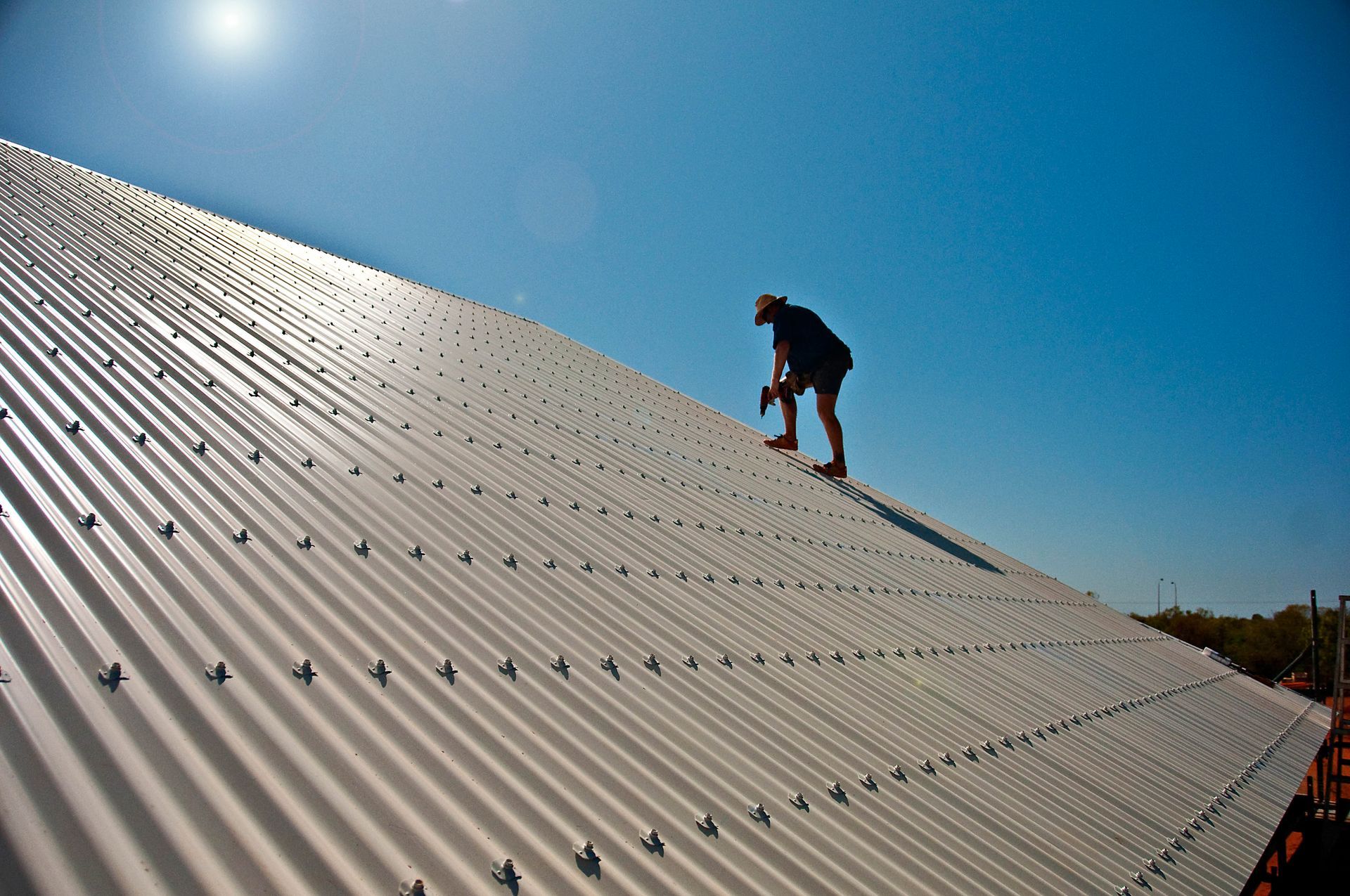
Metal is a great material that many roofing companies will recommend for quality roofs. Here are some key reasons your local roofing company may suggest it.
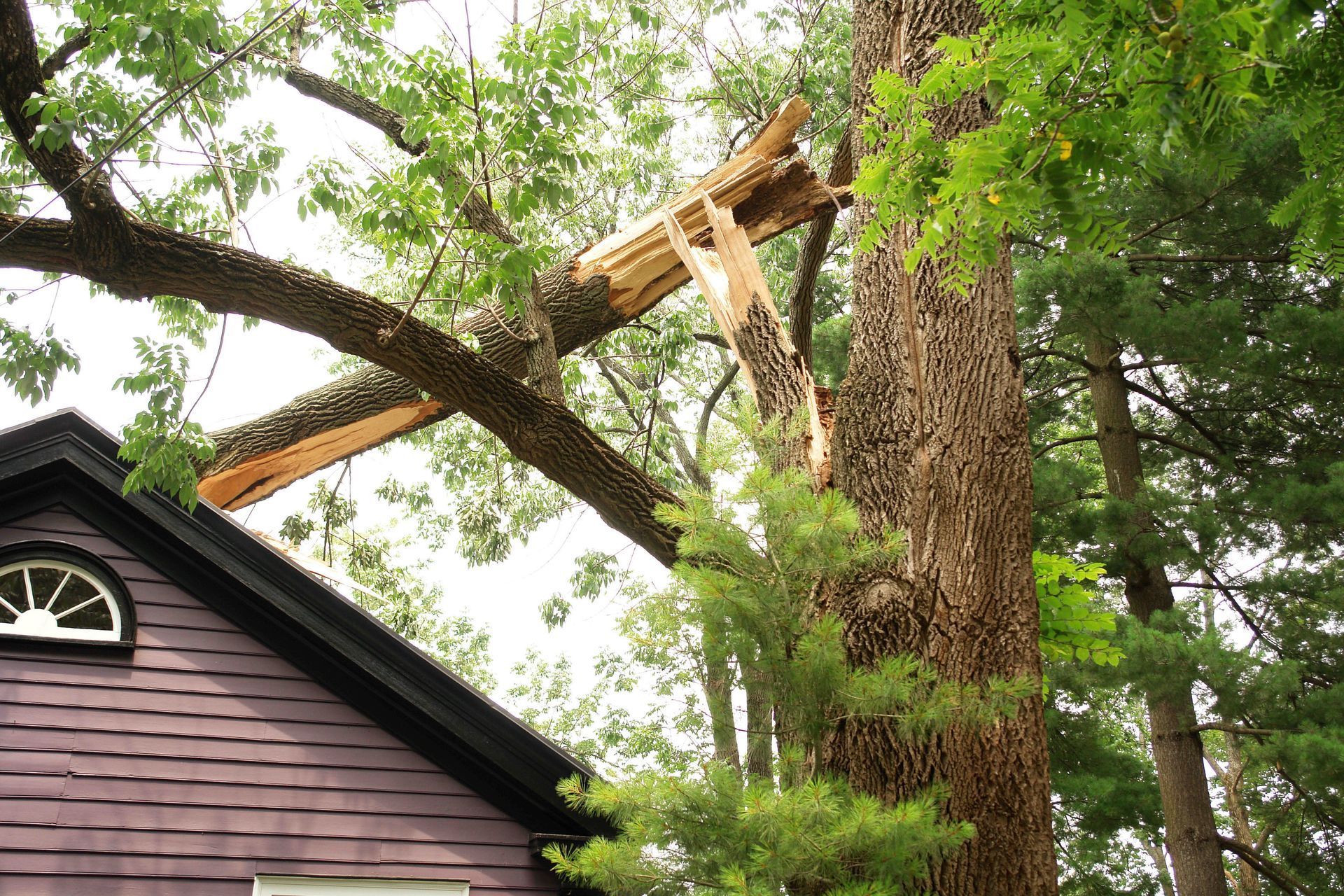
Storm damage can escalate quickly. Scheduling a roofing service promptly helps detect issues early, protect your home, and support timely insurance claims.
Share On: